Introduction to Regional Anesthesia and Its Common Uses
Regional anesthesia is a way to numb a specific part of your body. Doctors often use it during surgeries or medical procedures. For example, it can help with pain control after joint surgery or childbirth. Many people prefer regional anesthesia because it lets them stay awake and recover faster. However, like any medical procedure, there can be risks. One possible issue is regional anesthesia complications, such as hematoma formation.
What Is a Hematoma?
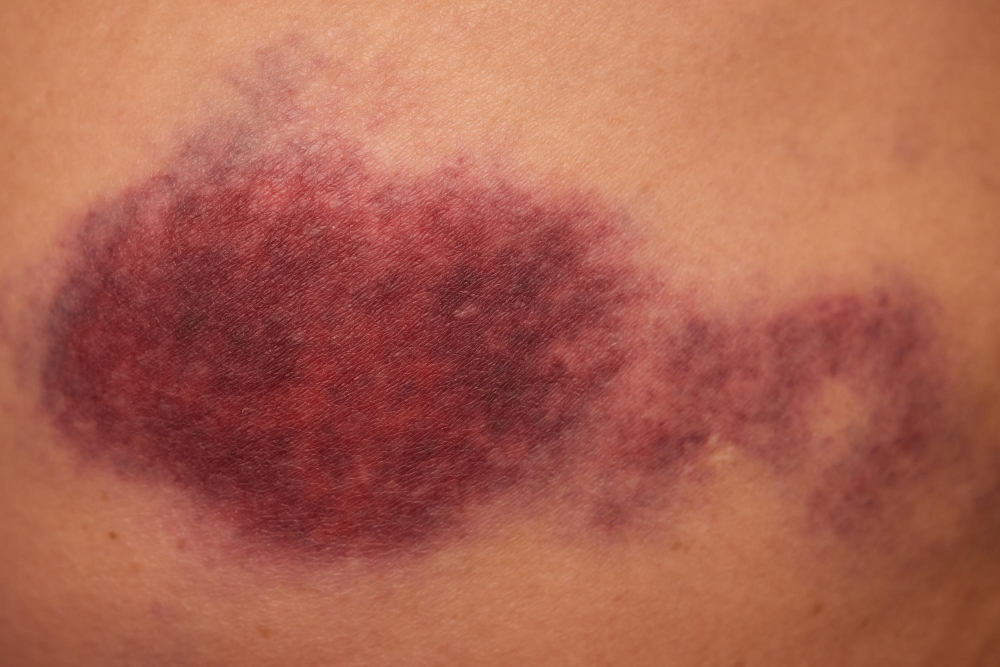
A hematoma is a collection of blood outside of blood vessels. It usually forms when a blood vessel breaks or leaks. As a result, blood pools under the skin or in deeper tissues. Hematomas can look like a bruise, but they may feel firm or swollen. Sometimes, they can cause pain or pressure in the area.
How Hematomas Form After Regional Anesthesia Blocks
During a regional anesthesia block, a needle is used to deliver medicine near nerves. Sometimes, the needle may accidentally hit a blood vessel. When this happens, blood can leak and collect in the tissue. This is how a hematoma after nerve block may develop. Although rare, this is one of the regional anesthesia complications doctors watch for.
Symptoms and Warning Signs of Hematoma Formation
It is important to know the symptoms of hematoma after anesthesia. Early signs can help you get care quickly. Common symptoms include:
If you notice any of these symptoms, you should tell your doctor right away. Quick action can prevent further problems.
Risk Factors and Causes
Several factors can increase the risk of developing a hematoma after a regional block. These include:
Additionally, people with fragile blood vessels may be at higher risk. Your doctor will check your health history before the procedure to lower these risks.
Diagnosis and When to Seek Medical Help
Doctors can often diagnose a hematoma by looking at the area and asking about your symptoms. Sometimes, they may use an ultrasound or other imaging tests to see how deep the hematoma is. If you have sudden swelling, severe pain, or trouble moving the area, seek medical help right away. In rare cases, a large hematoma can press on nerves or blood vessels and cause serious problems.
Prevention Tips and Safety Measures
There are ways to help prevent hematoma after nerve block procedures. Here are some tips:
Doctors use special techniques and tools to lower the risk of bleeding. In some regions, local guidelines may affect how procedures are done, so always follow your healthcare provider’s advice.
Treatment Options and Recovery
Most small hematomas heal on their own with rest and simple care. You can use ice packs to reduce swelling and keep the area raised if possible. For larger hematomas, your doctor may need to drain the blood or give other treatments. Rarely, surgery may be needed if the hematoma is pressing on important nerves or blood vessels. Recovery time depends on the size and location of the hematoma, but most people get better within a few weeks.
Lifestyle Guidance for Patients After Regional Anesthesia
After a regional anesthesia block, you can take steps to stay safe and heal well:
By following these tips, you can lower your risk of complications and recover faster.
Conclusion
Hematoma formation is a rare but possible regional anesthesia complication. Knowing the symptoms of hematoma after anesthesia and how to prevent them can help you stay safe. If you notice unusual swelling or bruising after a regional anesthesia procedure, consult a healthcare professional for personalized advice.