
Introduction
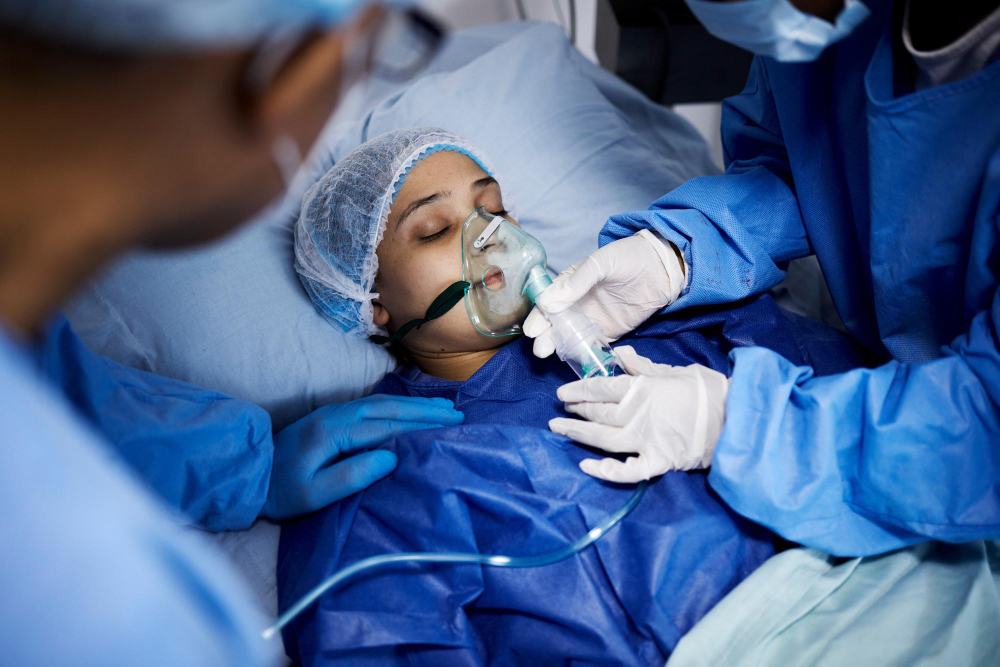
Cardiac arrest during anesthesia is a rare but serious event. It happens when the heart suddenly stops beating while a person is under anesthesia. This condition can be life-threatening and needs quick action. Although anesthesia is usually safe, problems can still occur. Knowing about cardiac arrest during anesthesia helps patients and families feel more prepared. In this blog, we will explain what it is, why it happens, and how doctors keep you safe.
What Is Cardiac Arrest During Anesthesia?
Cardiac arrest means the heart stops pumping blood. During anesthesia, this can happen because of many reasons. The body may react to medicines or other changes during surgery. When the heart stops, blood and oxygen cannot reach the brain and other organs. This is a medical emergency. Doctors and nurses are trained to act fast if this happens. While it is rare, it is important to understand the risks.
Common Causes of Cardiac Arrest During Anesthesia
Several factors can lead to cardiac arrest during anesthesia. Some causes are related to the patient, while others are linked to the surgery or equipment. Here are the most common reasons:
According to the World Health Organization (WHO), most anesthesia complications are preventable with proper care and planning.
Warning Signs and Symptoms
During surgery, patients are asleep and cannot report symptoms. However, medical teams watch for warning signs, such as:
Because patients are closely monitored, doctors can spot these signs quickly. Early action can save lives.
How Medical Teams Respond
When cardiac arrest happens during anesthesia, the medical team acts right away. First, they start chest compressions to keep blood flowing. Next, they use a defibrillator to try to restart the heart. At the same time, they give medicines to help the heart beat again. The team also checks for and treats the cause, such as fixing an airway problem or stopping bleeding. Hospitals have strict plans for these emergencies. This helps improve patient safety and outcomes.
Prevention Tips and Patient Safety
There are many ways to lower the risk of cardiac arrest during anesthesia. Here are some important anesthesia safety tips:
According to the CDC, careful planning and teamwork reduce anesthesia complications and improve safety for everyone.
Conclusion
Cardiac arrest during anesthesia is rare but serious. However, knowing the causes and warning signs can help you feel more at ease. Medical teams are trained to act fast and keep patients safe. Before any surgery, talk to your doctor about your health and any concerns. Consult a qualified anesthesiologist for personalized advice before any surgical procedure.